
Plant Encyclopedia Careers

LEED Certification

The Oman Botanic Garden sets a global benchmark for environmentally responsible design, achieving multiple LEED Platinum certifications across its most significant facilities — including the Hajar Mountains Biome, Dhofar Mountains Biome, Desert Pavilion, and Visitor Center. These certifications, awarded under the U.S. Green Building Council’s LEED framework, represent the highest standard in sustainable construction and operation.

The garden integrates sustainability into every aspect of its design and function. High-performance energy systems, renewable energy solutions, eco-conscious material selection, advanced water management, and environmentally sensitive architecture ensure that both plants and people thrive while minimising environmental impact. The Dhofar Mountains Biome alone achieved 86 LEED points, the highest score recorded among certified buildings in Oman.

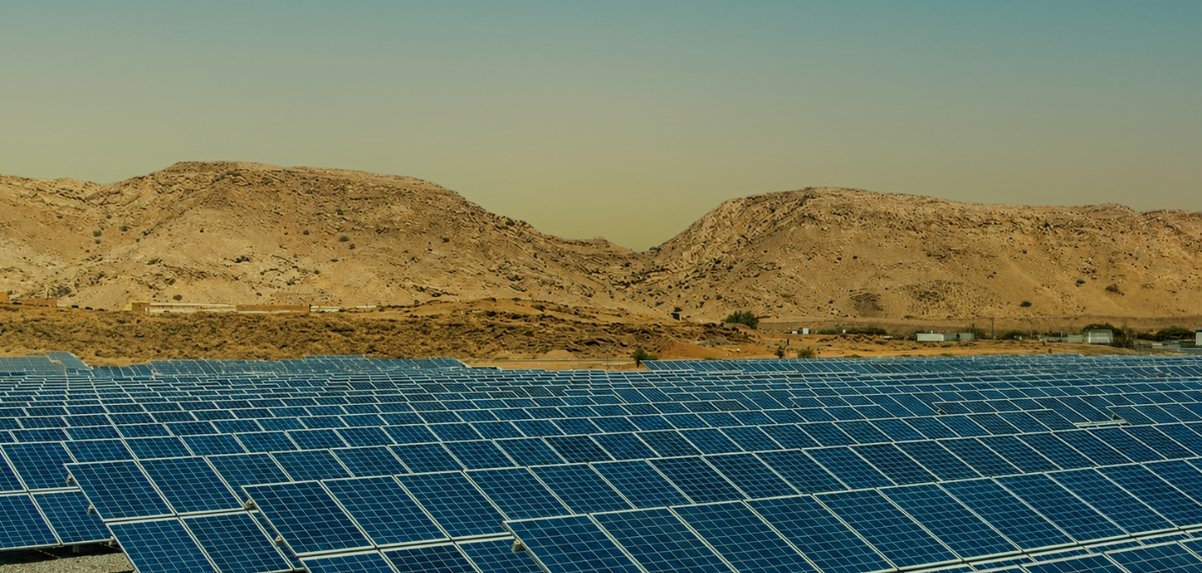
Beyond certification, the garden operates as a living demonstration of sustainability in action. Over 11,000 solar panels generate clean electricity, cutting carbon emissions by nearly 4,700 tonnes annually and meeting the needs of around 500 homes. Advanced water recycling systems supply most of the irrigation requirements, conserving precious potable water even during peak summer demand.

By embedding environmental stewardship into its core, the Oman Botanic Garden demonstrates how large-scale development can coexist with nature. It stands as a national, regional, and international reference for sustainable design — a place where conservation, learning, and innovation flourish together.

4
separately certified master facilities
86
flagship points scored
11,000+
panels powering the grid
Oman Botanic Garden
Energy
Conservation
Oman Botanic Garden

At the Oman Botanic Garden, sustainability is not just a goal — it is a guiding principle. Energy conservation lies at the heart of our design and operations, shaping everything from construction to daily work practices.

The garden’s electricity needs for offices and the nursery are powered by a large on-site solar photovoltaic system, harnessing renewable energy to reduce reliance on conventional power sources. Every aspect of the site reflects careful attention to environmental stewardship: soil erosion is managed, existing trees are protected, and sensitive geological, cultural, and archaeological features are preserved.

Materials are thoughtfully managed and recycled throughout the garden. Plastic, paper, green waste, and aluminium are collected and processed in partnership with local organisations, turning waste into a resource while supporting Oman’s broader sustainability efforts.

Through these measures, the Oman Botanic Garden models how energy-conscious design, resource efficiency, and environmental ethics can coexist — creating a living space where nature, people, and sustainable practices thrive together.

6,493
MWh generated annually
4,700
tonnes of carbon reduced per year
$650K+
annual electricity savings

Every drop of water at the Oman Botanic Garden is carefully protected and thoughtfully used. The garden’s comprehensive strategy ensures irrigation and water features rely entirely on recycled sources, rather than limited potable water supplies.

Treated Sewage Effluent (TSE) is processed on-site to exceed safety standards and reused throughout the garden, supporting the growth of native and arid-adapted plants in a zero-waste system. Thoughtful landscape design, soil conservation measures, and tree protection plans preserve natural moisture and maintain the integrity of the terrain.

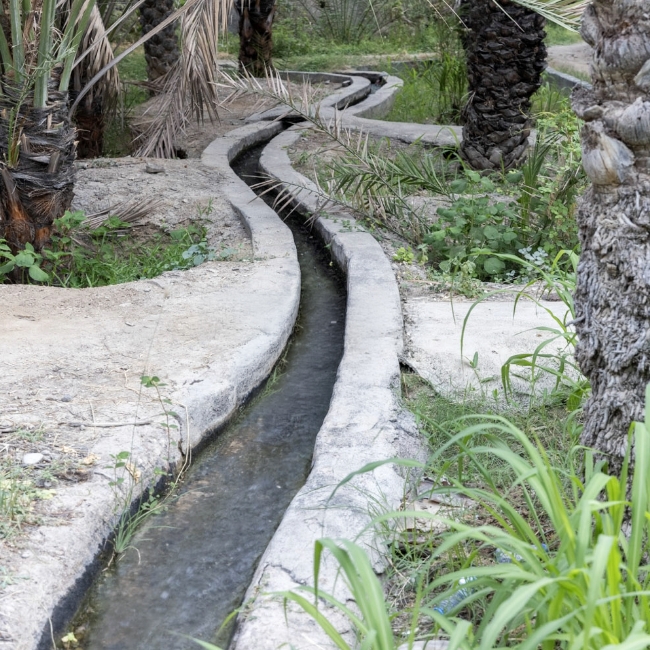
The ‘Water Garden’ serves as a central feature, combining a lake, traditional falaj irrigation channels, and a bird observatory to showcase sustainable water practices and educate visitors on the value of this vital resource.

Through these initiatives, the Oman Botanic Garden exemplifies how careful water management can sustain life, protect ecosystems, and inspire a culture of environmental responsibility.

100%
recycled wastewater irrigation
450
m³ filtered daily
0
litres of groundwater wasted
Water
Stewardship
Oman Botanic Garden

Sustainable Architecture

The architecture of the Oman Botanic Garden is designed to harmonise with its extraordinary natural surroundings while offering a lasting, immersive experience for visitors. Buildings, walkways, and visitor facilities are thoughtfully integrated into the natural ridges, ravines, and slopes of the site, allowing the structures to feel as though they emerge organically from the landscape.

Every design choice reflects a deep respect for the environment and the heritage of Oman. Materials, forms, and finishes are selected to respond to climate and topography, creating spaces that are comfortable, visually inspiring, and environmentally sensitive. Passive and active shading, natural ventilation, and careful orientation ensure that the built environment blends seamlessly with the garden’s diverse habitats.

The garden’s biomes exemplify this approach on a grand scale. Architectural elements are integrated into the living landscapes, guiding movement, framing views, and offering shaded paths, play areas, and educational spaces.

Advanced digital tools, including Building Information Modelling (BIM), were used to map every element of the garden and its buildings, preserving design intent during construction and ensuring long-term maintenance of both the structures and the surrounding flora.

In essence, the garden’s architecture celebrates Omani landscapes, supports biodiversity, and creates a sustainable, immersive environment where visitors can connect deeply with the country’s unique botanical heritage.

100%
recycled native soil blends
0%
outside habitat disruption
500
ha. of protected landscape
Native
Plantations

The Oman Botanic Garden is home to the nation’s extraordinary native plant diversity, showcasing over 1,400 documented species of vascular plants and ferns from across the country. This rich collection reflects Oman’s unique ecological heritage, including 191 range-restricted species found nowhere else in the world, representing nearly 14% of the country’s flora.

These native plants span all of Oman’s habitats, from the monsoon-fed forests of Dhofar to the rugged peaks of the Northern Hajar Mountains, and even the coastal plains of the central desert. Each area represents a center of biodiversity and endemism, with species shaped by millennia of ecological evolution.

Oman’s flora is remarkable not only for its diversity but also for its beauty, form, and variety. Its roots trace back to multiple geographic origins, including North and East Africa, South-West Asia, and the Arabian Peninsula. By bringing these plants together in living, immersive habitats, the Oman Botanic Garden allows you to experience the country’s botanical richness firsthand — from delicate ferns and fragrant herbs to iconic trees and extraordinary desert succulents.

Through these native plantations, the garden preserves Oman’s plant heritage, celebrates its natural wonders, and provides a space to connect with the extraordinary landscapes and life forms that define the Sultanate.

1457+
fully documented native species
100%
locally sourced wild germplasm
70,000
cultivated indigenous specimens