
Plant Encyclopedia Careers

Discover Plant Science

Ethnobotany

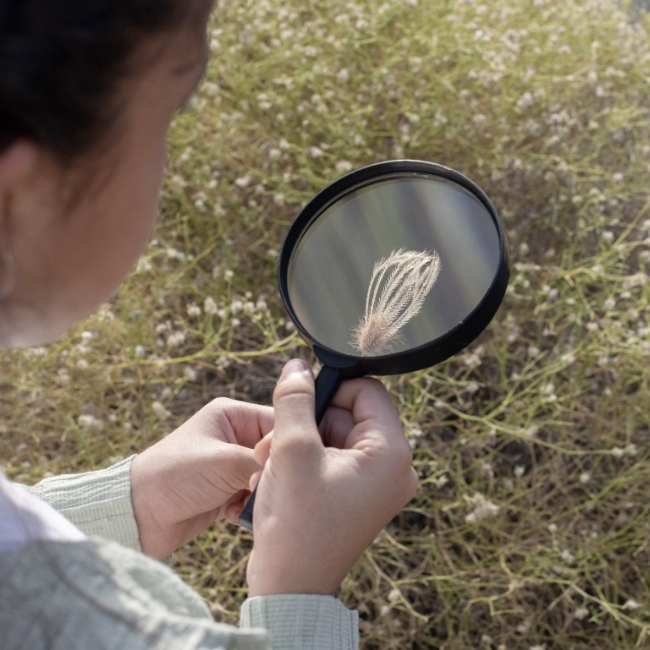
Ethnobotany at the Oman Botanic Garden explores the deep and enduring relationship between plants and people in Oman. The garden’s ethnobotany team conducts research across the country, documenting how native plants have been traditionally used for food, medicine, shelter, crafts, and cultural practices.

By connecting Oman’s natural and cultural heritage, these studies reveal the stories, knowledge, and practices that have been passed down through generations. The insights gathered are shared throughout the garden, allowing you to understand not just the plants themselves, but also the vital role they have played in shaping the lives, traditions, and ingenuity of the people of Oman.

Through ethnobotany, the garden becomes more than a collection of flora — it becomes a living archive of human interaction with nature, celebrating the ways plants and people continue to thrive together.

75%
national species documented
97
distinct uses catalogued

Ecology

We invite you to explore plant science through the lens of ecology, uncovering how plants interact with their environment and with each other. From arid deserts and rugged mountains to lush monsoon forests, every habitat in the garden demonstrates the delicate balance that sustains Oman’s extraordinary flora.

Through hands-on exhibits, immersive habitats, and research-led displays, you can discover how factors like climate, soil, water, and pollinators shape the growth and survival of native plants. The garden also highlights ecological processes such as adaptation, reproduction, and species interdependence, showing how plants have evolved over millennia to thrive in Oman’s diverse landscapes.

By experiencing plant ecology up close, you gain insight into the science that underpins conservation and the critical role every species plays in maintaining healthy, resilient ecosystems. The garden transforms complex ecological concepts into tangible, engaging experiences that connect you directly with the natural world.

191
range-restricted species
8
simulated micro-ecosystems
Oman Botanic Garden

Taxonomy brings the diversity of plants into focus, helping you understand how species are classified, related, and named. Through interactive displays and immersive habitats, you can explore the incredible variety of Oman’s flora — from delicate desert herbs to towering mountain trees — and learn how scientists organise them into families, genera, and species.

The garden’s research and collections showcase the principles of plant identification, evolutionary relationships, and the global context of Oman’s native plants. By revealing the patterns, connections, and uniqueness of each species, taxonomy offers a deeper appreciation for the richness of the Oman’s botanical heritage.

Through taxonomy, the garden transforms plant science into a story of discovery, showing you how knowledge of classification helps protect, conserve, and celebrate the extraordinary plants that define Oman.

124
documented
plant families
75%
herbarium
taxonomic library
103
new species
described

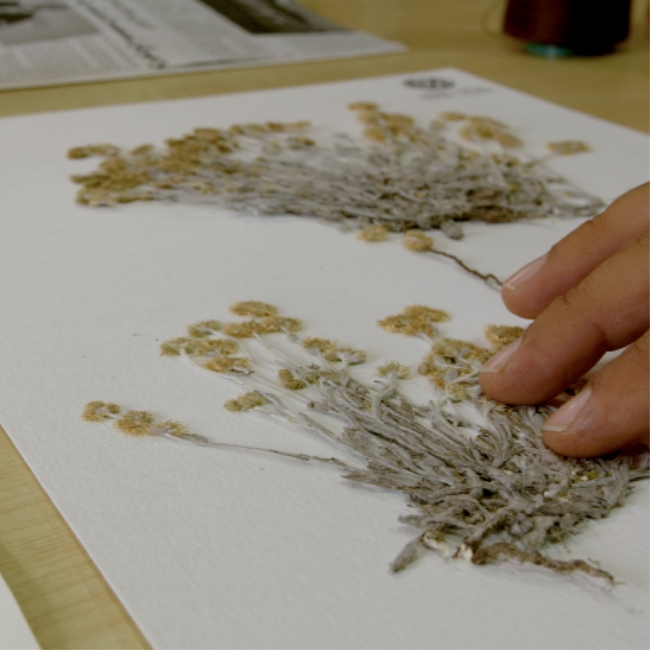
In the herbarium, you encounter the history and science of Oman’s plants in a form unlike anything growing in the garden. Each dried specimen tells a story — where it was found, how it grows, and how it connects to the wider landscape of Oman. These specimens are more than collections; they are a library of knowledge, preserving 75% of the country’s flora and providing a reference for generations to come.

As you explore, you see how many species were first identified and named from herbarium specimens, emphasising the critical role this collection plays in plant science. Carefully preserved and classified according to the latest international standards, the herbarium allows you to connect with the work of taxonomists, researchers, and students who study, discover, and protect Oman’s botanical heritage.

Here, you witness the deep link between science and conservation, and the ways knowledge about plants is safeguarded for the future.

75%
total flora representation of Oman
5,000+
archived botanical specimens
100%
linked to living collections
Herbarium
Oman Botanic Garden

In the seed bank, you discover the hidden potential of Oman’s plants before they even take root. Every seed tells a story of survival — collected from mountains, deserts, wadis, and monsoon forests — carrying the genetic legacy of the country’s remarkable flora. Here, nearly half of Oman’s native plant species are safely stored, ready to be nurtured, studied, or reintroduced into the garden.

You can see the care and precision involved: seeds are cleaned, catalogued, and carefully prepared for storage or sowing. Each one is tracked in the garden’s database, ensuring its origin, characteristics, and needs are never lost. Through ongoing research, the team tests new techniques to understand how long seeds remain viable and how best to help them grow.

Walking through the seed bank, you gain an understanding of the unseen work that safeguards Oman’s botanical heritage. It’s a quiet, vital place where the future of the country’s plants is protected, and where the journey from seed to flourishing garden begins.

60%
total flora
800
known plant species
Seed Bank

With the plant encyclopedia, you hold the keys to understanding every plant you encounter in the garden. Here, each entry brings a species to life — revealing its scientific name, its natural habitat, how it grows, and the role it plays in Oman’s landscapes and traditions. You can explore how plants survive in arid deserts, thrive in misty mountains, or flourish along the wadis, and discover the ways they have shaped the culture, food, medicine, and daily life of the people of Oman.

As you navigate the encyclopedia, you gain insight into the connections between plants, animals, and people, seeing how each species contributes to the intricate web of life across the Sultanate. It turns your walk through the garden into a journey of discovery, where knowledge deepens your appreciation and curiosity, allowing you to experience Oman’s botanical diversity in a personal and meaningful way.

1453
native plant species documented
75%
linked to traditional names
1
linked to traditional names
Plant
Encyclopedia
Oman Botanic Garden
Nursery
Oman Botanic Garden

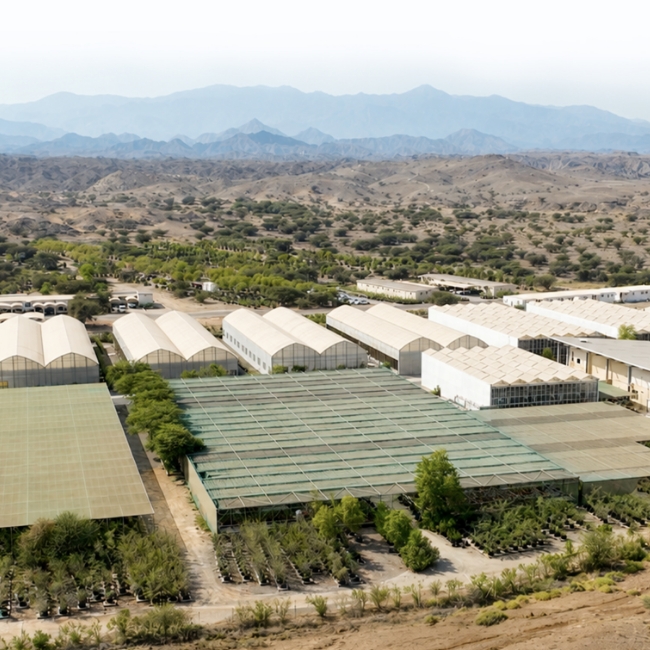
In the nursery, you witness the careful cultivation of Oman’s native plants — from trees and shrubs to herbs, bulbs, succulents, ferns, and grasses. Seedlings begin their journey in shaded greenhouses, nurtured with the right balance of water, light, and protection until they are strong enough to move into the main plant production area. Here, they continue to grow in pots that increase in size as the plants mature, eventually developing into full-grown specimens ready to take their place in the garden.

You can see how the team overcomes the challenge of growing such a diverse range of plants in Muscat’s extreme conditions, applying knowledge gained through collaboration with international botanic gardens and hands-on training. Each plant is tended with care, ensuring it thrives for years to come.

The nursery is also a place of rescue and renewal. Trees and succulents from degraded or developing areas, especially in Dhofar, are carefully relocated — uprooted bare, transported, and replanted to give them a new home. As you explore the nursery, you experience the dedication, patience, and skill that go into growing and protecting the living heritage of Oman’s flora.

20,000
sqm facility
70,000
plants under cultivation
85
extinction-threatened species safeguarded

This is where Oman’s native plants begin their journey. You see seeds and cuttings carefully nurtured into young plants, ready to flourish in the garden’s diverse habitats. Propagating these plants is no simple task — Oman’s extreme heat and unique environments make it a true challenge. Through collaboration with horticulturists from the Royal Botanic Garden Edinburgh and botanic gardens in Australia, the team has developed successful methods for growing plants, many of which have never been propagated before.

Seeds collected from the wild by the Botany and Conservation team are first identified, cleaned, and recorded in the garden’s plant database. Before sowing, each seed may undergo specialised treatments — soaking, scarification, or even chilling — to encourage germination. Once sown into seed trays with a carefully prepared mix, each plant is labeled to trace its lineage, and nurtured under controlled conditions until it is strong enough for the next stage of growth.

Propagation also extends to cuttings. Healthy material, collected in the field or from the nursery, is sterilised and prepared to remove any diseased tissue. Heat from below and intermittent mist from above encourage root growth, giving each cutting the best start in life.

Much of this work is trial and error — there is no existing guide for propagating Oman’s native species. To date, the team has successfully propagated 358 species across 73 plant families. Every seed sown and every cutting rooted represents the dedication and expertise required to safeguard Oman’s botanical heritage for generations to come.

358
native species propagated
73
plant families covered
0
chemical hormone trails
Propagation
Oman Botanic Garden
Plant Health

Your experience of the Oman Botanic Garden begins with healthy, thriving plants — and behind that vitality is a dedicated team ensuring every species is protected from pests and diseases. Plant health here is more than maintenance; it is the foundation of sustainable horticulture. By providing proper nutrition and carefully controlled environments, the team gives each plant the best chance to flourish naturally.

Managing pests and diseases is approached with care and precision through a sustainable Integrated Pest & Disease Management (IPDM) strategy. This combines cultural, physical, biological, and minimal chemical methods to keep plants safe while reducing risks to the environment, human health, and resources. Prevention, observation, and timely intervention guide every action, ensuring the garden remains a sanctuary of robust, resilient plant life.

In every corner of the garden, from seedlings in propagation to mature specimens in the biomes, this careful stewardship allows you to experience Oman’s flora at its healthiest, most vibrant, and most authentic.

100%
eco-friendly pest control
0
harsh chemical pesticides
100%
in-house diagnostic testing
Education
& Training
Oman Botanic Garden

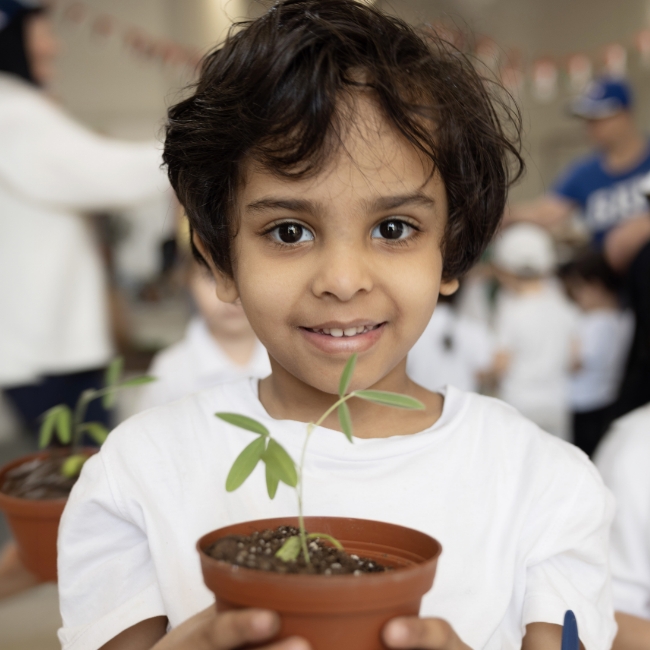
Bringing science to life through nature. OBG conducts dynamic school programmes that transform how children engage with science. Over the last two years, OBG collaborated with local schools to deliver hands-on, habitat-based sessions that fuel a child's natural wonder. By connecting core lessons directly to Oman’s stunning native flora, we turn learning into an outdoor adventure.

1,138
participants reached in 2025
70
institutions engaged in H1 2026
2,147
beneficiaries reached in H1 2026